
Localized Ocean Fertilization is different from OIF: Following the Science
Localized ocean fertilization is not basin-wide ocean iron fertilization. It is a smaller, more precise approach that focuses on natural ocean conditions where iron-rich inputs, phytoplankton growth, and downwelling currents can work together to draw carbon out of the atmosphere and keep it stored away.
Peter Fiekowsky has been making the case that the climate challenge is not just about cutting emissions, but about restoring safe atmospheric carbon dioxide levels. In his view, localized ocean fertilization deserves a fresh look because it is grounded in natural ocean processes, instead of the reputational baggage that often surrounds full-basin OIF.
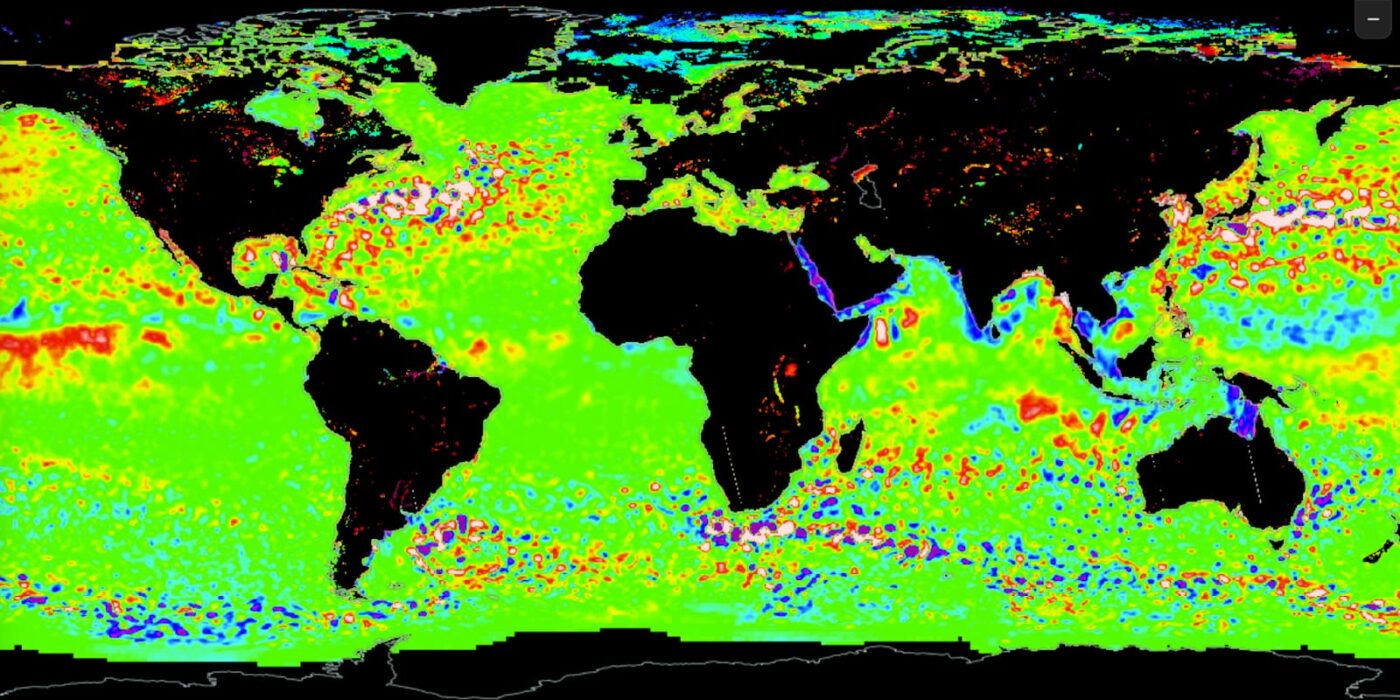
What matters here is not a catchy label, but whether the method can be safe, durable, and scalable enough to matter. The argument for LOF is that it aims at small, naturally favorable patches of ocean, where downwelling eddies may help move biocarbon deep below the surface before it cycles back to the air. That makes the approach fundamentally different in both scope and intent from the broader, more controversial idea of treating the whole ocean as a carbon sink.
This is an idea that is early-stage but being actively worked on, and it deserves careful scrutiny. But it also points to an important shift in climate thinking: if we want to restore a livable climate, we need to evaluate solutions by the data, not by inherited assumptions about what the ocean can or cannot do.